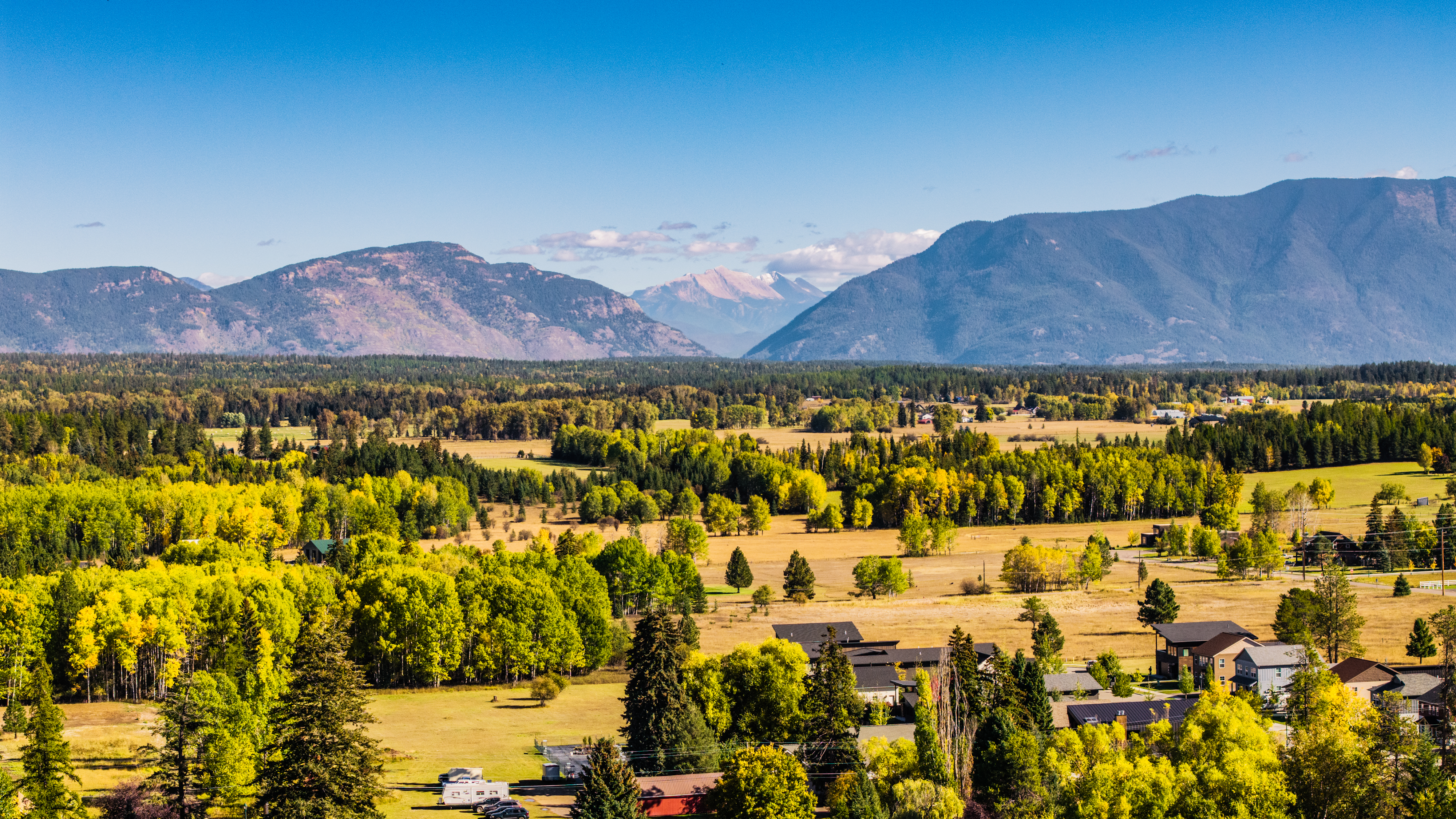
A scouting trip is a chance to picture more than a vacation. It’s an opportunity to notice what you want your everyday life to feel like.
You don’t need to decide everything while you’re here. A useful first visit can simply help you narrow your options, test your assumptions, and collect the questions that deserve a closer look.
Start with your priorities, not a packed itinerary.
Before you book every hour, write down what you’re hoping to learn. Are you trying to choose a community, get a feel for different home settings, or decide whether a move belongs in your near-term plans?
Separate your must-haves from your preferences. Think about the space you want, the activities you make time for, and how much driving fits comfortably into a normal day. Bring that list with you—and give yourself permission to revise it.
Choose a manageable community shortlist.
It’s tempting to fit every town and every available home into one trip. Instead, pick a small set of places you’re genuinely curious about and leave time to explore each one.
Whitefish, Kalispell, Columbia Falls, and Bigfork can all be starting points for a conversation. The question isn’t which place is best in the abstract. It’s which deserves a closer look for the way you want to live.
Give yourself enough time to notice the ordinary things. They’re part of what makes a place feel like home.
Make room for ordinary life.
Alongside the scenic stops, try a few everyday activities. Get groceries. Find a place to sit with a coffee. Travel between the kinds of destinations you would use regularly.
If a particular drive matters to you, experience it at a time that resembles your own routine. Treat what you observe as one snapshot, rather than a promise that every season or weekday will feel the same.
A SIMPLE VISIT RHYTHM
Morning: Explore one community and its everyday stops.
Afternoon: Leave room for planned home visits or a local conversation.
Evening: Review your notes before adding more to tomorrow.
A two-day plan with room to change your mind.
This is a planning framework, not a timed driving route. Choose two communities from your shortlist and adjust around appointments, weather, and the amount of time you want in each place.
Day one: compare the setting.
- Morning: Walk your first community, visit a grocery store, and try a route you would drive regularly.
- Afternoon: Explore your second community. Repeat the same everyday stops so your impressions are comparable.
- Evening: Write down what worked, what did not, and what you want to look at again.
Day two: get more specific.
- Morning: Return to the stronger fit at a different time of day.
- Afternoon: Visit a manageable selection of homes with Joseph, or use the time to explore a setting you missed.
- Before leaving: Agree on the questions to verify and whether another visit would help.
For local stops and practical questions, start with the pages for Whitefish, Kalispell, Columbia Falls, and Bigfork. You do not need to cover all four in one trip.
Send a brief before you arrive.
Share your travel dates, the communities you are considering, three home priorities, and any appointments that are already fixed. If you are also planning recreation or sightseeing, keep those blocks visible in the schedule. Leave breathing room between showings rather than using every open hour.
Bring a phone charger, a place to keep notes, your priority list, and any measurements that matter for furniture or equipment. Check current conditions and opening hours for the stops you choose.
Keep the same notes for every place.
Photos can blur together by the end of a trip. Use the same short checklist each time you explore a community or visit a home:
- What felt comfortable or familiar?
- What surprised you?
- Which part of your daily routine would be easier here?
- What would require an adjustment?
- What do you still need to verify?
Write down questions while they’re fresh. Specific observations make the next conversation more useful than a simple “I liked it” or “I didn’t.”
Leave with next steps, not pressure to decide.
At the end of the trip, make three lists: places to revisit, questions to research, and possibilities you’re comfortable setting aside.
If you’re ready for help planning those next steps, tell me where you are in the process and what you want your visit to accomplish. We can start with your priorities and build from there.
PLAN YOUR NEXT CHAPTER